Gangtok
Acting as the busy administrative and cultural center of Sikkim, Gangtok balances on a very steep Himalayan ridge, offering wide, open views of the deep…

Destination Guide
Tucked securely within the massive Eastern Himalayas, Sikkim is a breathtaking natural wonder defined by its incredibly steep mountains, icy landscapes, lush green forests, and deeply rich cultural history. Surrounded by the…

About Sikkim
Tucked securely within the massive Eastern Himalayas, Sikkim is a breathtaking natural wonder defined by its incredibly steep mountains, icy landscapes, lush green forests, and deeply rich cultural history. Surrounded by the borders of Nepal, Bhutan, and Tibet, this independent state acts as a crucial mountain pathway while holding onto its very unique social and natural identity, which…
Tucked securely within the massive Eastern Himalayas, Sikkim is a breathtaking natural wonder defined by its incredibly steep mountains, icy landscapes, lush green forests, and deeply rich cultural history. Surrounded by the borders of Nepal, Bhutan, and Tibet, this independent state acts as a crucial mountain pathway while holding onto its very unique social and natural identity, which is carefully protected by its native Lepcha, Bhutia, and Nepali people.
The land changes drastically over very short distances, shifting from warm, tree-filled valleys all the way up to extreme, freezing wilderness areas covered in year-round snow, huge glaciers, and harsh mountain passes. Standing tall over it all is Mount Kanchenjunga, which the local people worship as a guardian god, making it both the physical and spiritual center of the state.
Sikkim is perfectly designed for curious travelers and adventure seekers who want to see stunning mountain views, quiet Buddhist monasteries, rare mountain animals, and hidden traditional villages. By successfully mixing wild natural beauty with carefully controlled town growth, this state offers a deeply appealing and unique escape in the Himalayas.
Explore the places and experiences that make Sikkim special.
Explore the places and experiences that make Sikkim special.
Explore the places and experiences that make Sikkim special.
Places Worth Exploring
Acting as the busy administrative and cultural center of Sikkim, Gangtok balances on a very steep Himalayan ridge, offering wide, open views of the deep…
Often called Changu Lake by the locals, Tsomgo Lake is a stunning, ice-fed body of water located high up at about 3,753 meters in the rough eastern part…
Reaching a dizzying height of 4,310 meters, Nathu La Pass is an incredibly important mountain road on the ancient Silk Road, acting as a major connection…
Hidden deep inside the isolated areas of North Sikkim, the Yumthang Valley is a beautiful alpine hideaway famous for its wide, rolling green fields, clear…
Officially known as Yumesamdong but usually called Zero Point by travelers, this spot marks the absolute end of the road for civilians in North Sikkim.…
Located in the quiet western part of Sikkim, Pelling is a peaceful mountain town famous for giving visitors wide, unmatched views of the massive…
Standing as a true masterpiece of building design and spiritual practice, Pemayangtse Monastery is easily one of the oldest and most important Buddhist…
Rumtek Monastery acts as a major center for studying and practicing Tibetan Buddhism in Sikkim, serving as a very important headquarters for the highly…
Khecheopalri Lake is a deeply respected, high-altitude body of water hidden far away inside the thick, ancient forests of western Sikkim. Treated as…
Zuluk, a magical, tiny village hanging on the edge of the famous Silk Route in eastern Sikkim, captures the very real, untouched feeling of the Himalayas.…
Sitting as one of the highest lakes in all of India at a massive altitude of 5,180 meters, Gurudongmar Lake is tucked away in the freezing, remote edges…
Khangchendzonga National Park covers a massive, protected natural area that changes smoothly from green, leafy forests to harsh, high-altitude zones…
Plan Your Sikkim Trip
March to May · October to November
The very best times to travel through the mountains of Sikkim usually line up with the bright blooming of spring and the clear, rain-free days of autumn. The months from March to May offer very comfortable weather, a huge explosion of mountain…
The very best times to travel through the mountains of Sikkim usually line up with the bright blooming of spring and the clear, rain-free days of autumn. The months from March to May offer very comfortable weather, a huge explosion of mountain flowers, and perfectly welcoming conditions for exploring the lower and middle parts of the state.
On the flip side, October and November are incredibly popular because the air is perfectly clear, giving travelers wide, completely unobstructed views of the massive Himalayan peaks, even though it gets very cold higher up. The harsh winter turns the area into a beautiful, white snow globe, but this beauty comes with a heavy price: many roads get completely blocked by snow, and you cannot reach the highest areas.
The monsoon season, which hits hard from June to September, brings massive, non-stop rain, heavy clouds, and a very high chance of dangerous mudslides, making driving very risky. Because of this, travelers planning big mountain trips need to carefully adjust their plans based on these major weather changes.
Approximately 8°C to 20°C
Spring brings incredibly comfortable, easy weather across the lower and middle sections of Sikkim, starting with the amazing blooming of local plants and a slow, clear reveal of the massive mountains all around.
Approximately 12°C to 24°C
The monsoon season is completely taken over by heavy, non-stop rain and thick fog, which massively increases the danger of mudslides on the winding mountain roads and makes it almost impossible to see anything high up.
Approximately 5°C to 18°C
Autumn is widely praised as the absolute best time for exploring the Himalayas, offering incredibly stable weather and unmatched, wide-open, crystal-clear views across the huge, elevated mountains.
Approximately -5°C to 15°C
Winter throws the region into freezing cold, especially out on the northern and eastern edges, where heavy snowstorms frequently block the roads to the highest spots. While you can still drive through the lower towns, you will definitely feel the sharp, freezing cold in the mornings and evenings.
Pakyong Airport, which acts as the main flight hub inside Sikkim, offers a few flights to certain Indian cities; but, these flights rely heavily on the unpredictable mountain weather. Bagdogra Airport, located in nearby West Bengal, remains the most important and dependable flight option for travelers coming from major cities.
From Bagdogra, travelers have to take a long but incredibly beautiful drive up to Gangtok and other towns, a trip defined by a constant, winding climb from the flat plains straight up into the steep Himalayan mountains.
New Jalpaiguri Railway Station in West Bengal serves as the absolute best train stop for anyone heading to Sikkim. It connects to a massive network of trains from major Indian cities, acting as the necessary drop-off point before switching over to mountain cars.
Once you arrive at New Jalpaiguri, there are plenty of travel options—from private taxis to shared jeeps—that smoothly carry travelers up the mountain into Gangtok and the rest of Sikkim.
Driving on the road is absolutely essential for moving between towns inside Sikkim. Gangtok is heavily connected to Siliguri, New Jalpaiguri, and other nearby mountain towns by a very complex maze of carefully cut, steep mountain roads.
A wide mix of shared taxis, private cars, and special tour vehicles run all over these roads. However, travel times can stretch or shrink wildly, heavily depending on the rough roads, sudden bad weather, traffic jams, and yearly road repairs.
Sikkim Tour Packages
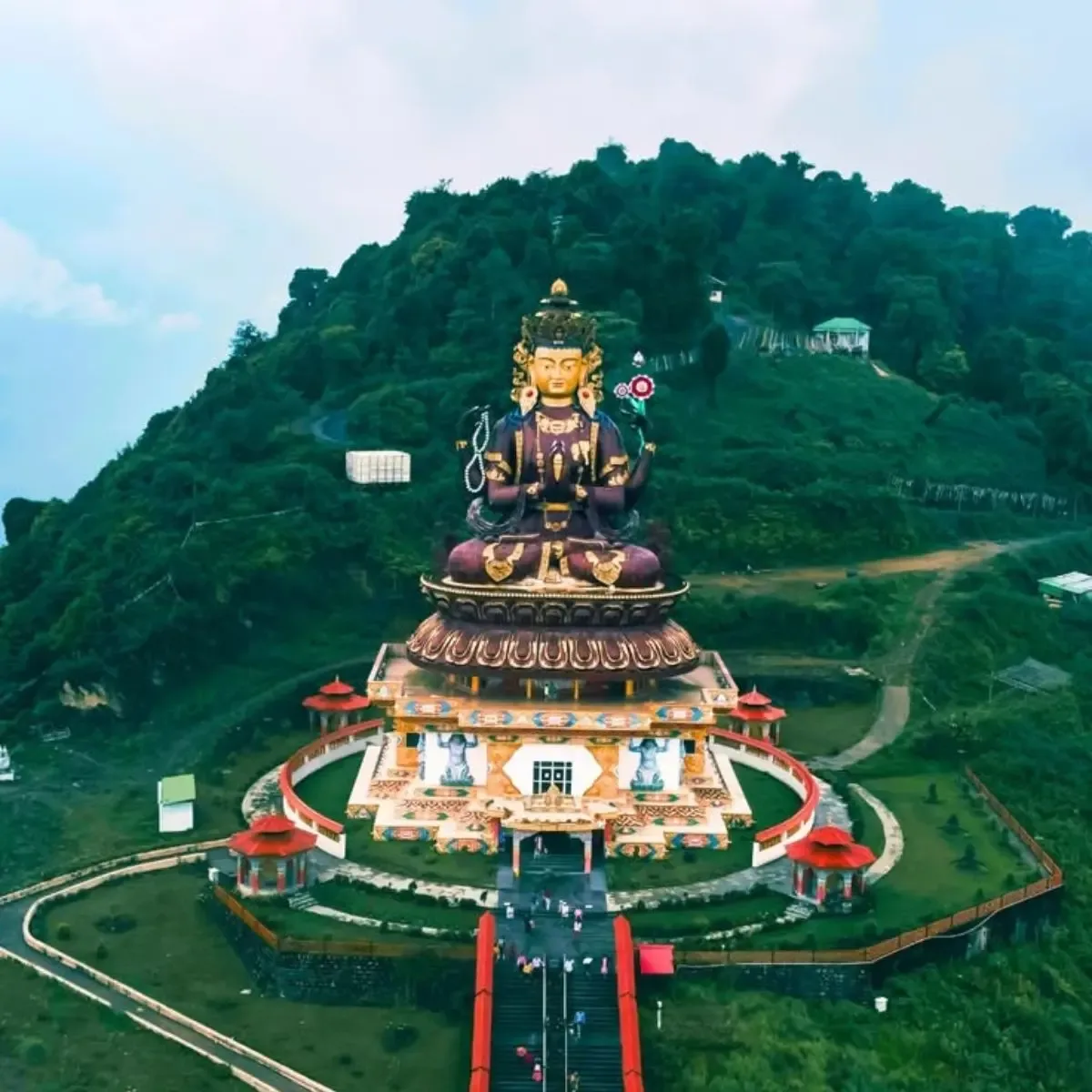 4 Nights / 5 Days
Discover the beauty of Sikkim and Darjeeling on this 4 nights, 5 days Himalayan getaway. Explore Gangtok, Tsomgo…
5 Nights / 6 DaysExplore the best of Sikkim and Darjeeling on a 5-night, 6-day Himalayan journey. Begin in Gangtok with a scenic…
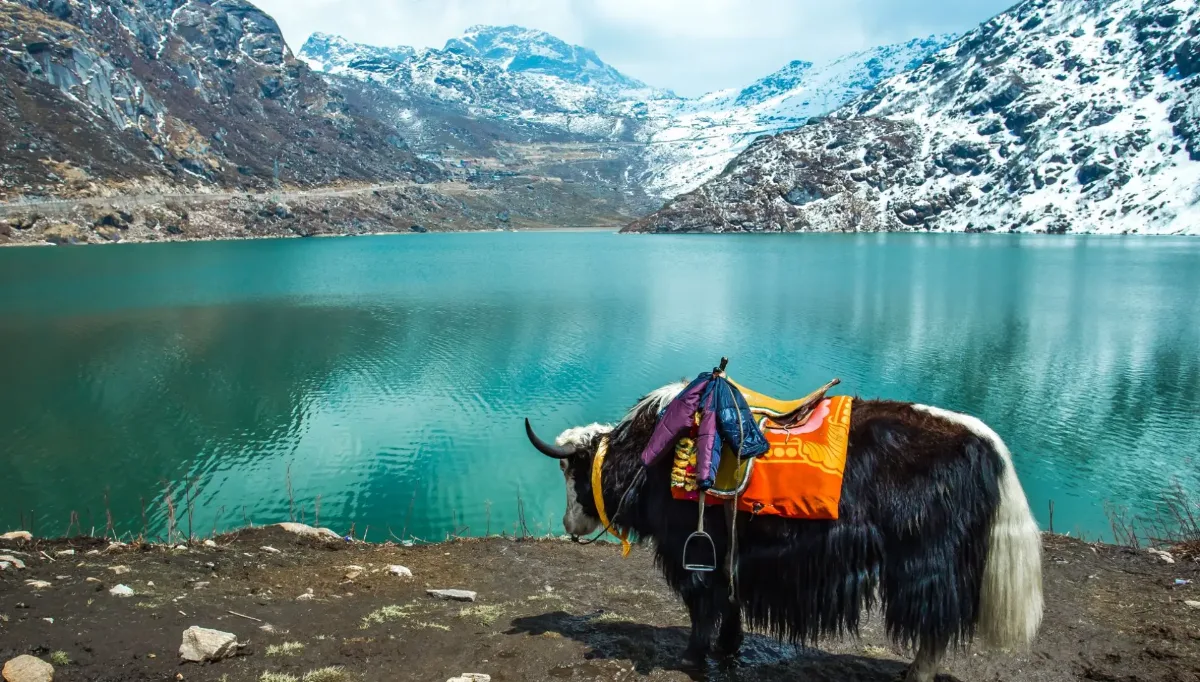 6 Nights / 7 Days
Experience the beauty of North Sikkim on a 6 nights, 7 days Himalayan adventure with Safar Diary. Explore Gangtok,…
Customize your trip, choose the best experiences, and explore Sikkim your way.