
Shillong
Resting beautifully on rolling, pine-covered hills, Shillong is famously known as the 'Scotland of the East' and acts as the lively, modern capital of…
Destination Guide
Appropriately named the 'Abode of Clouds,' Meghalaya is a breathtaking natural wonder in Northeast India, famous for its steep limestone plateaus, constant fog, and incredibly heavy monsoon rains. Bordered by the vast plains…

About Meghalaya
Appropriately named the 'Abode of Clouds,' Meghalaya is a breathtaking natural wonder in Northeast India, famous for its steep limestone plateaus, constant fog, and incredibly heavy monsoon rains. Bordered by the vast plains of Assam to the north and the river deltas of Bangladesh to the south, this mysterious state holds a deeply unique cultural identity, carefully protected by its…
Appropriately named the 'Abode of Clouds,' Meghalaya is a breathtaking natural wonder in Northeast India, famous for its steep limestone plateaus, constant fog, and incredibly heavy monsoon rains. Bordered by the vast plains of Assam to the north and the river deltas of Bangladesh to the south, this mysterious state holds a deeply unique cultural identity, carefully protected by its native Khasi, Garo, and Jaintia tribes who follow a rare matrilineal system.
The landscape of Meghalaya is built on awe-inspiring extremes. The land is a complex maze of deep underground karst caves, steep canyons, and massive waterfalls that crash down from high mountain ridges. Perhaps its most magical features are the living root bridges—incredible examples of ancient natural engineering where the strong roots of rubber fig trees have been guided across rushing rivers over hundreds of years.
This state is a perfect haven for cave explorers, rain lovers, and curious travelers looking for deep underground adventures, massive waterfalls, untouched nature, and fascinating tribal history. Experiencing the wild, intense power of the monsoon and contrasting it with the clear, peaceful beauty of winter makes a trip to Meghalaya a truly life-changing journey in India.
Explore the places and experiences that make Meghalaya special.
Explore the places and experiences that make Meghalaya special.
Explore the places and experiences that make Meghalaya special.
Places Worth Exploring
Resting beautifully on rolling, pine-covered hills, Shillong is famously known as the 'Scotland of the East' and acts as the lively, modern capital of…
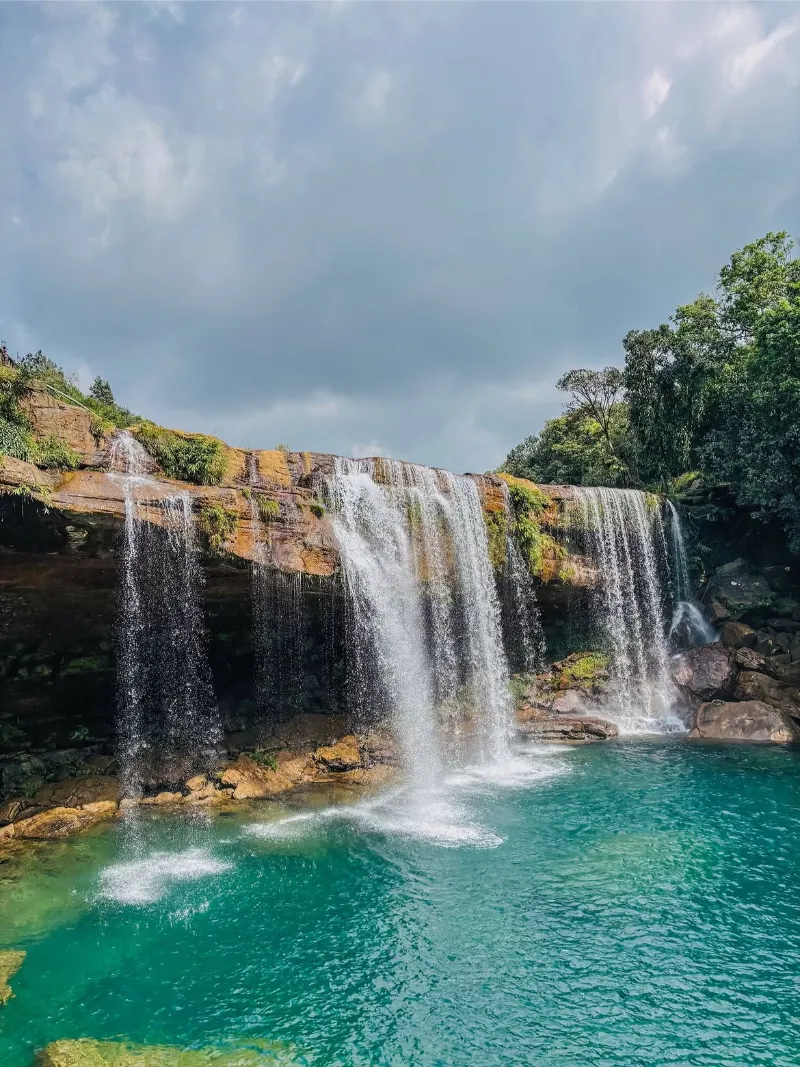
Famous all over the world for its mind-boggling rainfall records, Cherrapunji—known locally as Sohra—is a high mountain plateau that is constantly covered…
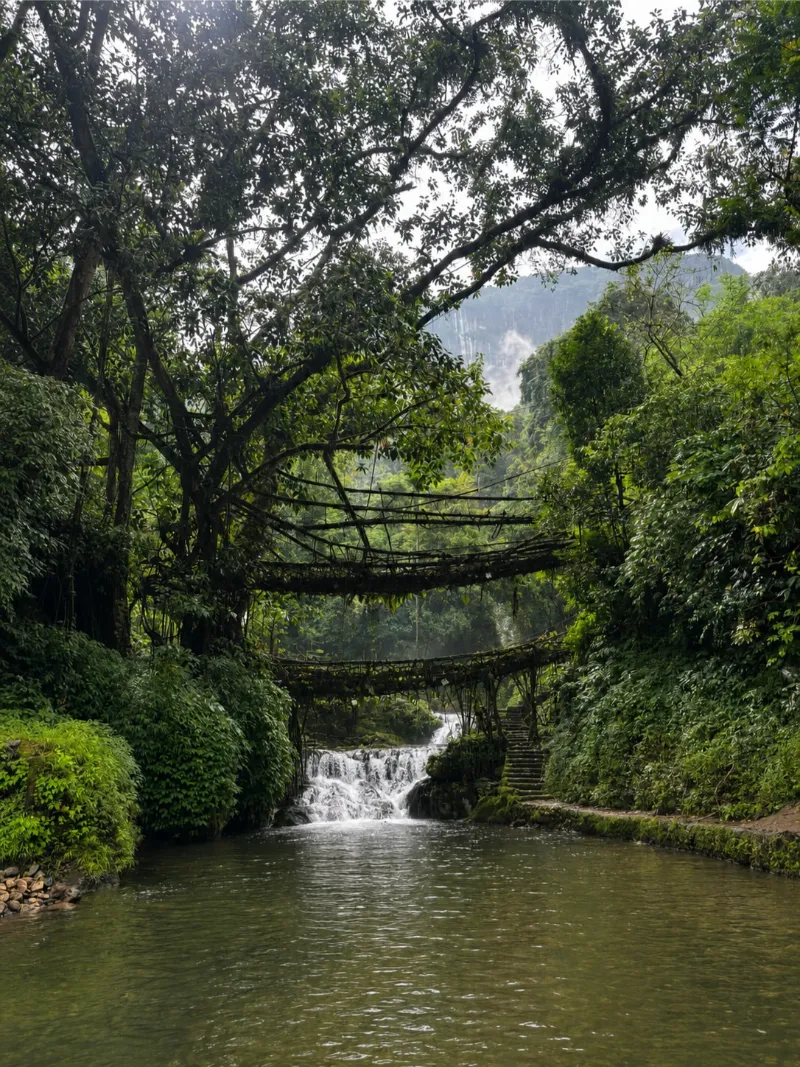
Hidden deep inside the incredibly lush, wet rainforests of the Nongriat valley, the massive Double Decker Living Root Bridge stands as an unmatched…

Sitting right on the international border dividing India and Bangladesh, the small town of Dawki is famous everywhere for the absolutely magical Umngot…
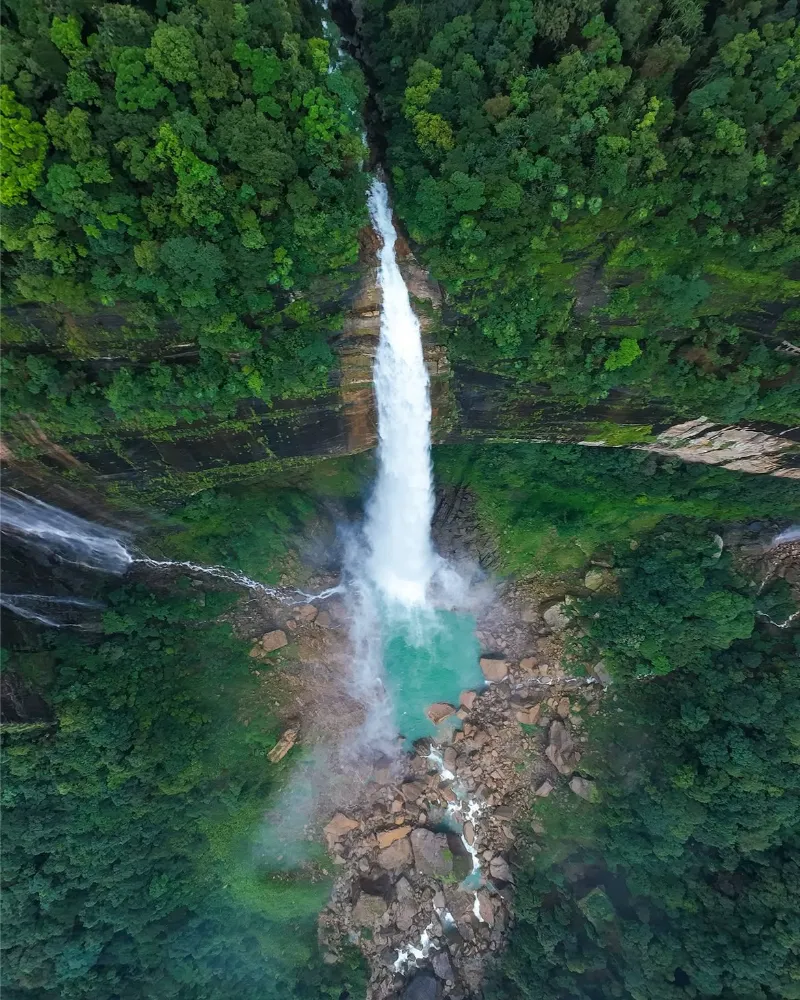
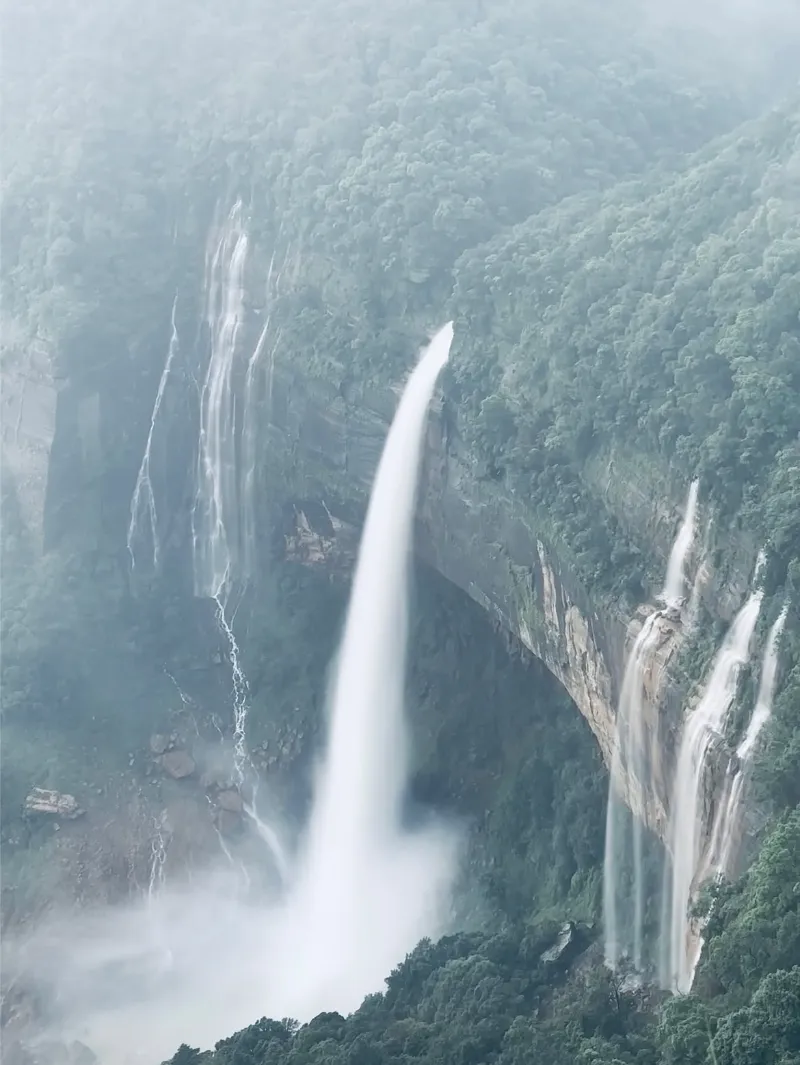
Plunging down from a massive height, Nohkalikai Falls is the tallest plunge waterfall in all of India, crashing powerfully into a stunning, deep green…

Widely celebrated as the cleanest village in Asia, Mawlynnong is the ultimate example of a community working together to create a sustainable,…

The Mawsmai Cave provides a very easy but deeply exciting way to explore Meghalaya's massive underground limestone cave systems. This winding, natural…

Located just north of Shillong, Umiam Lake is a massive, bright blue artificial reservoir surrounded by thick, rolling hills of pine trees. Even though it…
Plan Your Meghalaya Trip
October to April · June to September
The absolute best time to visit Meghalaya really depends on what kind of weather you want to experience. For most travelers, the months from October to April are the best choice. During this time, the heavy monsoon storms finally clear up,…
The absolute best time to visit Meghalaya really depends on what kind of weather you want to experience. For most travelers, the months from October to April are the best choice. During this time, the heavy monsoon storms finally clear up, leaving behind bright blue skies, cool and comfortable weather, and the perfectly clear waters of the Umngot River in Dawki.
However, if you truly love the rain and want to see the 'Abode of Clouds' at its wildest and most powerful, the monsoon season from June to September is incredible. Even though the heavy rains can make driving difficult, you will be rewarded with wildly green, lush landscapes and roaring, massive waterfalls.
Visitors need to plan their trips carefully: winter guarantees easy travel and crystal-clear rivers, while the monsoon offers a thrilling, dramatic wilderness that can be much harder to navigate.
Approximately 15°C to 25°C
Spring brings a comfortable, gentle heat that is absolutely perfect for long hikes and full days of sightseeing. The land stays bright and green, and short, occasional rain showers begin to wake up the waterfalls without causing major travel problems.
Approximately 18°C to 25°C
The monsoon season brings non-stop, heavy rain, proving exactly why this is known as one of the wettest places on the planet. A thick, magical fog covers the hills, and the waterfalls explode with terrifying, beautiful power, though driving long distances can become quite risky.
Approximately 13°C to 22°C
Autumn is an incredibly popular and beautiful time to visit. The heavy rains finally stop, leaving behind completely clear views, bright green plants from the monsoon, and perfectly cool weather that is ideal for outdoor adventures and local festivals.
Approximately 4°C to 16°C
Winter brings a sharp, biting cold to the high plateaus, offering perfectly sunny days and very chilly nights. Because it is so dry, the rivers and pools become unbelievably clear, making this the absolute best time to visit Dawki and explore the underground caves.
Umroi Airport (also known as Shillong Airport) offers a few very convenient flights to major Indian cities. However, for the most reliable and frequent flights, the Lokpriya Gopinath Bordoloi International Airport in Guwahati, Assam, is the main flight hub for reaching the region.
After landing in Guwahati, travelers take a stunning, three-to-four-hour drive up a winding, well-built highway that slowly climbs into the cool air of the Khasi Hills.
Because of its extremely steep and rugged mountains, Meghalaya does not have its own train system. Instead, the Guwahati Railway Station in Assam is the absolute must-use train hub, connecting travelers to every major city across India.
From the station, visitors can easily hop into a shared taxi or a local bus for the drive up National Highway 6 straight into the capital of Shillong.
The state is heavily connected to the rest of the northeast by the well-kept National Highway 6, which serves as the main lifeline between Guwahati and Shillong.
Once inside Meghalaya, a complex web of mountain roads stretches out to connect hidden spots like Dawki and Cherrapunji. While the main highways are in great shape, driving out to the edges of the state often requires a strong vehicle and careful driving through sudden, thick monsoon fog.
Meghalaya Tour Packages
Let’s create a Meghalaya journey around your interests.
Plan a custom tripCustomize your trip, choose the best experiences, and explore Meghalaya your way.